In today’s bustling restaurant scene, the pressure is on to keep patrons happy while maximizing efficiency. Enter restaurant table management software, a tool that’s changing the game faster than a waiter can deliver the daily specials. This innovative technology not only manages reservations but also enhances customer satisfaction, making it a must-have for savvy restaurateurs. If you want to avoid the chaos of overbooked tables and missed opportunities, stay with us: this expert guide will take you through everything you need to know about table management software.
What Is Restaurant Table Management Software?
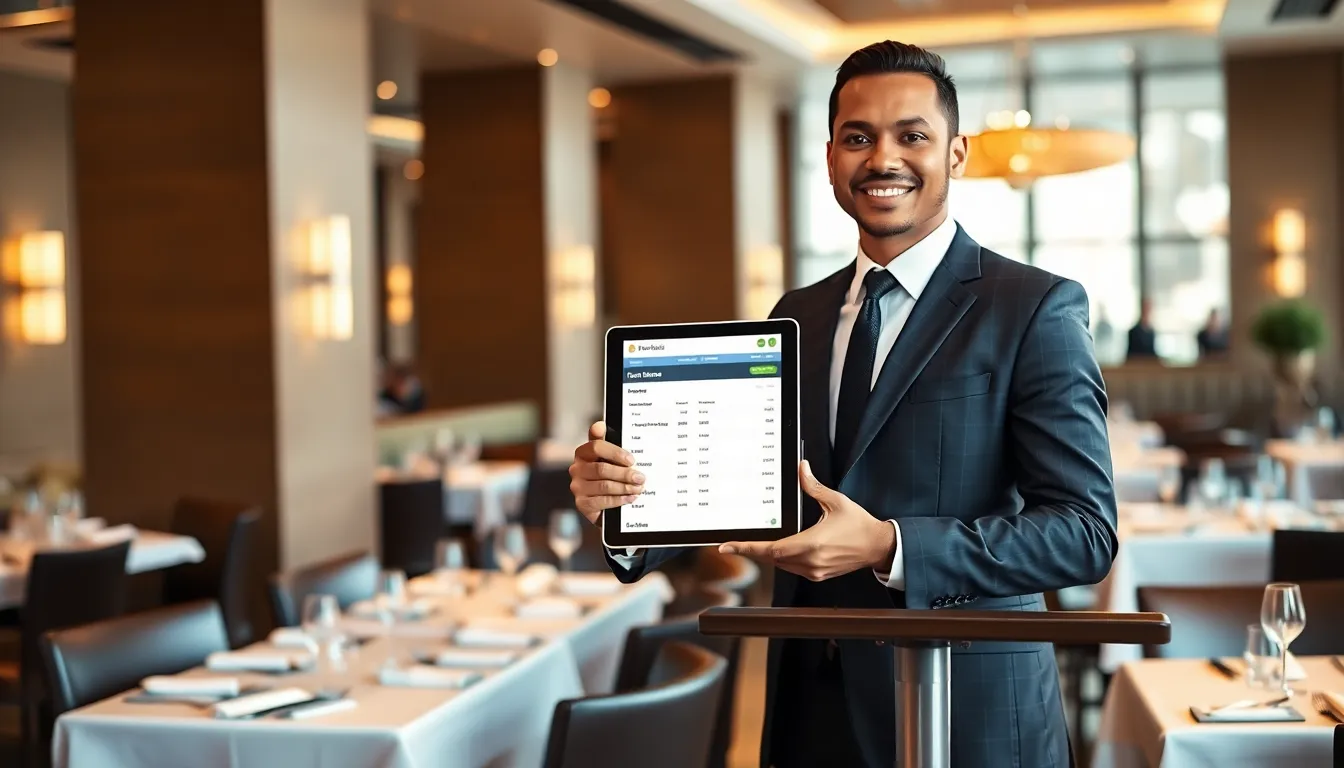
Restaurant table management software is a digital tool designed to streamline the process of seating guests and managing reservations. Think of it as your restaurant’s organizational wizard, seamlessly coordinating guest flow, optimizing table assignments, and allowing for real-time updates. By integrating with point-of-sale systems and customer relationship management tools, these software solutions provide a comprehensive overview of your dining area, making the host’s job far easier while ensuring guests aren’t left waiting too long during peak hours.
Key Features of Table Management Software
When selecting table management software, certain features can make or break your experience. Here’s a rundown of key functionalities to look for:
Reservation Management
This feature allows users to track and manage reservations effortlessly. It provides visibility into table availability and guest details, ensuring a smoother dining experience.
Guest Management
Understand your patrons better. Guest profiles, including past visits and preferences, enable tailored experiences that keep diners returning for more.
Table Layout Customization
Every restaurant layout is unique. The software should allow easy customization of the dining area map to reflect your specific table arrangements, making assignments a breeze.
Reporting Tools
Data-driven decisions are crucial. Robust reporting features give insights into peak times, no-show rates, and overall table performance, allowing for informed adjustments.
Waitlist Management
For those busy nights, having a waitlist feature is essential. It enables restaurants to manage walk-in guests effectively, reducing conflicts and enhancing customer satisfaction.
Benefits of Using Table Management Software
Utilizing restaurant table management software comes with numerous benefits:
Improved Efficiency
A well-organized seating strategy allows staff to serve tables faster and with precision. Less confusion leads to more satisfied customers who are likely to leave positive reviews.
Enhanced Customer Experience
Guests appreciate quick seatings and personalized attention. When restaurant managers use guest data to cater to specific preferences, it creates a memorable dining experience.
Increased Revenue
More efficient table turnover rates mean increased revenue. Fewer empty seats during dinner rushes contribute directly to your bottom line.
Better Communication
This software facilitates seamless communication between front-of-house staff and the kitchen, ensuring orders are correctly timed and served promptly.
How to Choose the Right Software for Your Restaurant
Choosing the right table management software isn’t a one-size-fits-all process. Here are some steps to consider:
Assess Your Needs
Evaluate the size of the restaurant and the complexity of your operations. Do you require a simple reservation system, or a comprehensive solution that manages guests, tables, and reporting?
Compare Features
Look for software that aligns with your specific needs. Are reporting tools necessary for your operation, or is guest management your top priority?
Consider Integration
Choose a system that integrates well with your existing point-of-sale and other restaurant management tools to streamline operations further.
Budget Wisely
The price point can vary widely. Look for a solution that offers good value without sacrificing necessary features.
Top Restaurant Table Management Software Solutions
Several standout restaurant table management software options cater to various needs:
OpenTable
Renowned in the industry for its robust reservation management capabilities, OpenTable also helps track customer preferences and dining habits.
Resy
With a user-friendly interface, Resy allows restaurants to manage reservations and waitlists while focusing on the guest experience.
TableUp
TableUp combines reservation management with customer engagement tools, making it excellent for building loyal customer relationships.
Hostme
For small to mid-sized restaurants, Hostme offers essential features without the frills, perfect for those just starting with table management software.
Best Practices for Implementing Table Management Software
Once you’ve chosen the right table management software, follow these best practices to ensure successful implementation:
Train Your Staff
Before launching, comprehensive training for all staff members is essential. When everyone understands how to use the software, operations run smoothly.
Start Small
Consider rolling out the software during a less busy time to identify potential issues without disrupting service.
Review and Adjust
After implementing, continuously gather feedback from staff and customers. Don’t be afraid to make adjustments to settings and features to better meet your needs.