Welcome to the age of event technology, where gathering in a physical space no longer means you have to check your innovative gadgets at the door. Gone are the days of plain old PowerPoints and sticky notes: now, it’s all about immersive experiences that leave lasting impressions. If you’ve ever thought organizing an event felt like herding cats, brace yourself. With the latest tools and trends, it’s time to take your events from blah to a spectacular experience, while still keeping your sanity intact.
Emerging Trends in Event Technology
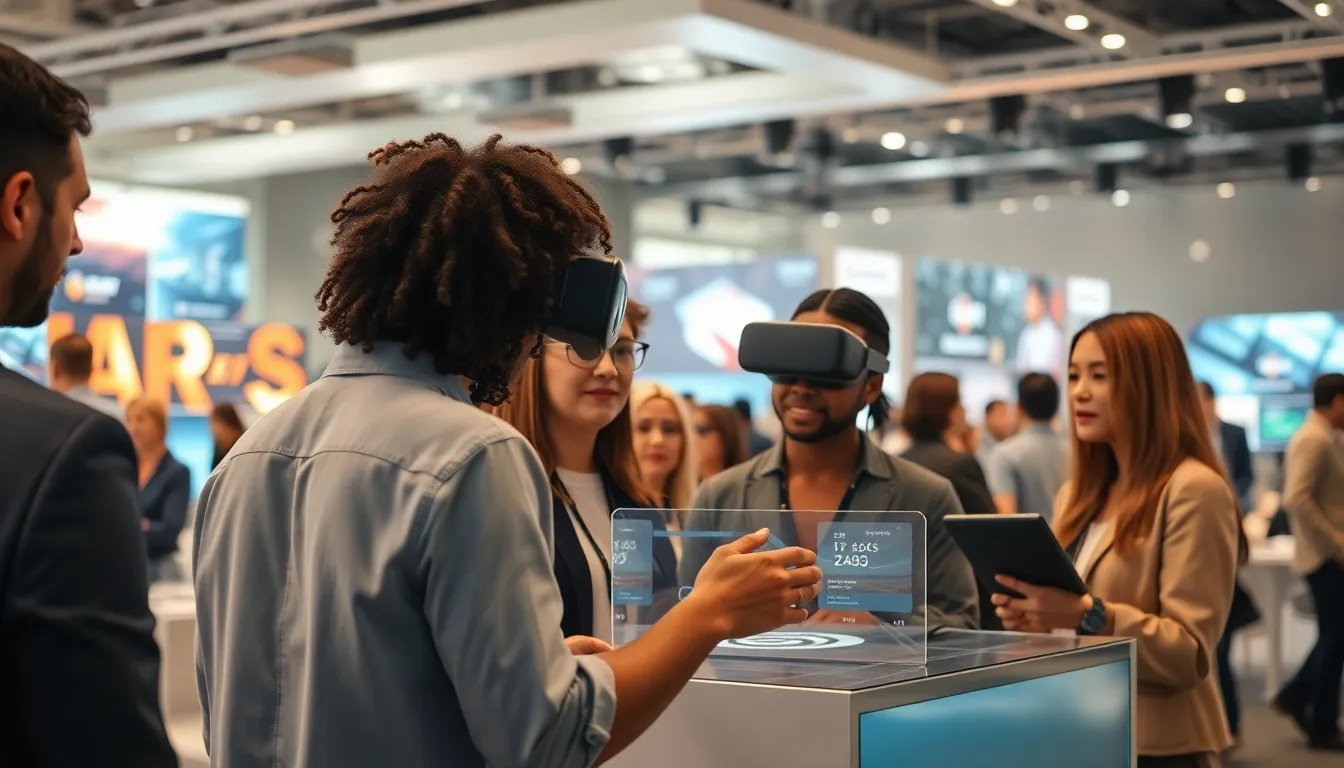
The world of events is evolving faster than a smartphone update. Attendees now expect more than just presentations: they crave experiences that resonate. Among the hottest emerging trends is the use of augmented reality (AR) and virtual reality (VR). Imagine stepping into a virtual trade show from your living room or experiencing immersive brand storytelling through interactive AR displays. This tech doesn’t just enhance presentations: it crafts an experience that captivates and engages.
Also, artificial intelligence (AI) is accelerating the planning process. Event organizers can leverage AI-powered tools for tasks like attendee registration and personalized content suggestions, ensuring no two experiences are the same. Eventually, staying in tune with these trends allows organizers to elevate their events, making them not just memorable, but unforgettable.
Virtual and Hybrid Event Solutions
As the world adapts to a new normal, virtual and hybrid events have carved a niche that is here to stay. Why choose between physical and virtual when you can have both? Hybrid events combine in-person and virtual elements, allowing events to reach larger audiences without the geographic limits. This includes features like live-streaming sessions and on-demand video content.
Platforms such as Zoom, Cvent, and Hopin are on the forefront, offering sophisticated solutions like breakout rooms, networking lounges, and live chat options, creating a sense of community regardless of a participant’s physical location. Picture a panel where half of the participants are in-person and the other half join remotely: seamless integration of technology here ensures vibrant interaction and engagement. The ability to cater to a wider audience while maintaining an engaging environment is the future of events.
Interactive Engagement Tools
Engagement is the heartbeat of any successful event, and interactive tools are the lifeline. This tech enables real-time feedback, polls, and gamification, fostering participation in ways that keep everyone on their toes. Tools like Slido and Mentimeter make Q&A sessions dynamic rather than deathly dull, allowing attendees to ask questions anonymously.
Also, event organizers can incorporate gamification elements. Imagine attendees competing for points during a session, answering trivia questions about the speaker or the company. The resulting excitement ensures participant attention remains laser-focused instead of drifting to the nearest email notification.
Using tools like event-specific mobile apps can also help networking opportunities, allowing attendees to connect based on shared interests seamlessly. By leveraging this technology, engagement is transformed from a passive activity into an enjoyable, interactive experience.
Event Management Software Innovations
Behind every successful event is a robust management system. Recent innovations in event management software have streamlined processes, allowing planners to focus on creativity rather than logistics. Platforms like Eventbrite and Whova simplify tasks such as registration, ticketing, and attendee tracking, crucial for a seamless process.
Besides, integrating AI into these systems allows for predictive analytics, delivering insights into attendee behavior and preferences. This means that next time they whistle, organizers can provide tailored experiences that resonate, like personalized agendas or networking suggestions.
Also, real-time analytics help assess event successes instantly. No more waiting weeks for feedback, measure the pulse of your event as it unfolds to make immediate adjustments. This tech transforms strategizing from a guessing game into a data-driven decision-making process.
Sustainability Through Technology
In an age where sustainability is paramount, event technology is stepping up to the plate. A growing trend is utilizing tech to minimize environmental footprints. With digital ticketing, planners can forgo physical tickets, reducing paper waste. Also, online event platforms can offer options to donate to green causes, encouraging attendees to contribute to environmental sustainability.
In-depth carbon offsetting tools integrated into event planning software can help organizers track and reduce their carbon footprints effectively. Also, utilizing resources like virtual reality for site visits minimizes the need for excessive travel, further promoting a sustainable approach to events. Technology not only creates easier processes but paves the way for eco-friendly solutions.
Future Predictions for Event Technology
What does the crystal ball say about the future of event technology? The predictions are as exciting as they are promising. Expect to see more AI involvement in personalizing attendee experiences, customizing agendas based on past behaviors, and anticipating questions before they’re even asked.
Also, the integration of 5G technology will allow for faster and more reliable internet connections at events. This means immersive experiences, like real-time VR tours or high-definition live streams, will become everyday norms, enhancing attendee engagement levels dramatically.
In the distance future, wearable technology might play a role in how events are conducted. Imagine smart badges that provide info and networking opportunities before an attendee even arrives. While this may sound like science fiction, advancements in technology suggest that innovative solutions are not far down the road.