Imagine a world where computers think faster than a cheetah on roller skates and your toaster knows exactly how much golden brown your bread should be. Welcome to the future of information technology. With exciting innovations speeding our way, such as AI, blockchain, and quantum computing, the landscape is changing faster than a toddler’s mood. Get ready because the future is not just bright: it’s dazzling. In this text, we’ll explore the key trends and technologies shaping tomorrow’s IT, it’s time to fasten those seatbelts and take a ride into the future.
Emerging Technologies Shaping Information Technology
Artificial Intelligence and Machine Learning Advancements
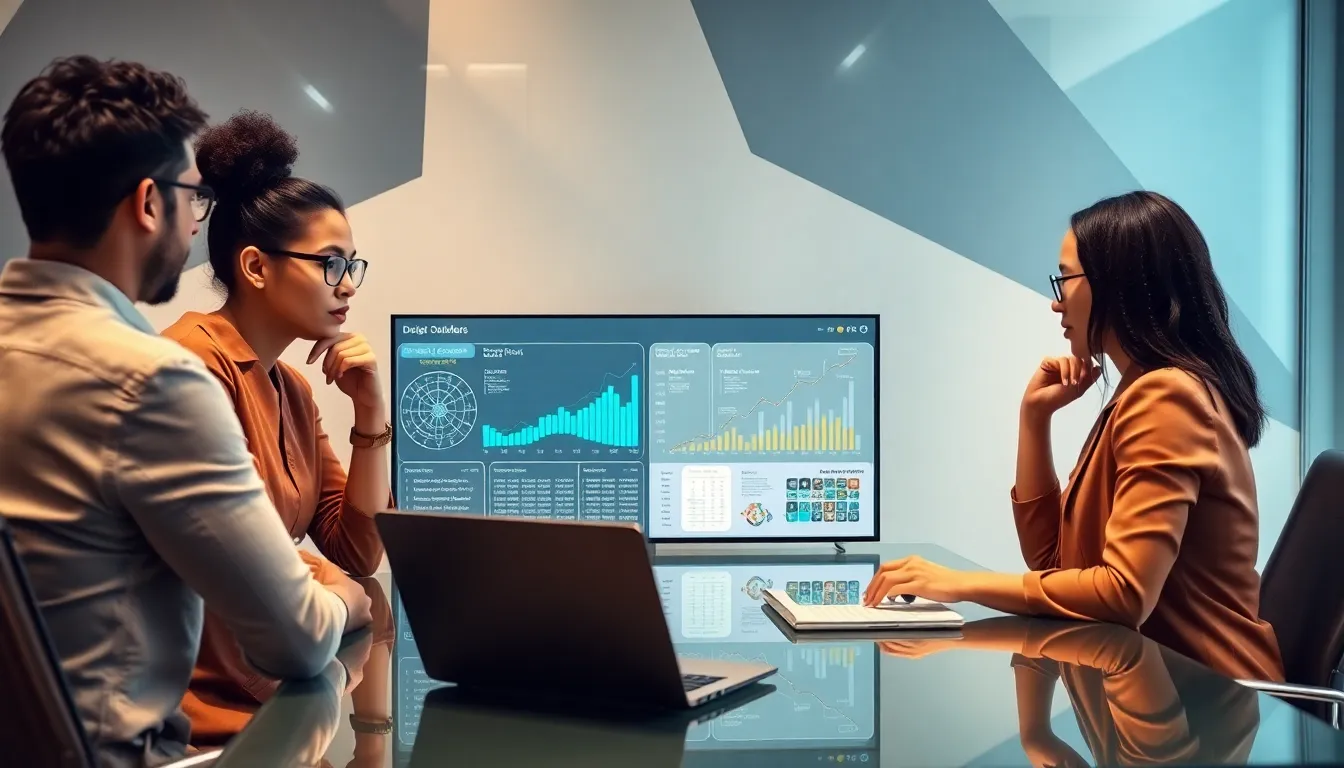
Artificial Intelligence (AI) and machine learning are no longer just buzzwords thrown around at tech conferences. These technologies are rapidly transforming how businesses operate. AI tools are now capable of data analysis at a speed and accuracy that far surpasses human ability. For example, companies like Google and IBM are deploying AI to enhance customer service with chatbots capable of understanding and responding in natural language.
Also, machine learning algorithms are refining themselves based on data input, constantly improving accuracy and effectiveness. Imagine predictive analytics in healthcare that anticipates illnesses based on genetic data. The potential for AI and machine learning is not just enormous but also imminent: the race to harness these powers is on.
Blockchain and Decentralized Systems
Blockchain technology is also leading the charge in revolutionizing the way we think about data security and transactions. Traditionally, data systems are centralized, meaning they are vulnerable to hacking and fraud. But, blockchain presents a decentralized approach to information storage that enhances security and transparency.
One of the most notable applications of blockchain is in the financial sector. Banking giants are using it to help secure transactions with lower fees and faster processing times. Crypto enthusiasts quickly discovered blockchain’s potential for smart contracts, allowing agreements to be executed automatically without intermediaries. This decentralized approach is set to redefine trust in digital transactions.
Quantum Computing: The Next Frontier
What if computers could perform complex calculations at dizzying speeds, unimaginable to what we know today? Enter quantum computing, a field that promises to push beyond conventional limits. Rather than using bits, quantum computers use qubits, think of them as a magic coin that can be both heads and tails at the same time.
This capability could disrupt industries such as pharmaceuticals and logistics by solving problems that are currently intractable. Imagine simulating molecular interactions for drug discovery or optimizing logistics in real-time across global networks. Quantum computing isn’t just a concept: it’s gearing up to be a game-changer in the realm of information technology.
The Role of Cloud Computing in Future IT
Cloud computing remains a cornerstone of modern IT infrastructure. It provides the flexibility, scalability, and security that businesses crave. Enterprises no longer need to invest in costly hardware: instead, they can use cloud services for their storage and computing needs.
The collaborative capabilities of cloud platforms have increased productivity by allowing teams to work seamlessly from anywhere. Real-time collaboration on projects often occurs in cloud-based applications, reducing turnaround times and improving overall efficiency.
Also, as cybersecurity becomes a growing concern, cloud providers invest heavily in advanced security measures. Multi-factor authentication, encryption, and regular audits are becoming the norm. As we plunge deeper into the digital age, cloud computing’s role will only grow more critical.
Cybersecurity Challenges and Innovations
As information technology evolves, so do the tactics of cybercriminals. The future of IT is unquestionably intertwined with cybersecurity, which is becoming more robust yet challenging due to the ever-expanding threat landscape.
Data breaches continue to dominate headlines, forcing organizations to enhance their cybersecurity protocols. Innovations like artificial intelligence and machine learning are being integrated into cybersecurity strategies to proactively detect and respond to threats. For instance, predictive analytics can help identify potential vulnerabilities before they become full-blown crises.
Besides, new regulations are continuously emerging to protect data privacy. Laws such as GDPR and CCPA have prompted companies to rethink how they collect, store, and manage customer data. The balance between leveraging personal data for service enhancement while ensuring robust security will define the cybersecurity narrative in the coming years.
Impact of 5G and IoT on Information Technology
The rollout of 5G technology is set to redefine connectivity as we know it. With lightning-fast internet speeds and reduced latency, 5G will revolutionize how devices communicate. Essentially, it’s the backbone that will support the Internet of Things (IoT), connecting billions of devices seamlessly.
Smart homes, smart cities, and smart transportation systems will flourish under 5G networks. Consider how city traffic will be optimized based on real-time data and how your refrigerator might order groceries as needed. This interconnectivity also reinforces the need for advanced cybersecurity measures since more devices open more doors for potential breaches.
As the digital landscape transforms, the convergence of 5G and IoT will necessitate new protocols and standards, pushing the envelope of information technology.
Trends in IT Workforce and Skills Development
As technology evolves, so does the demand for new skills. The future IT workforce will require a blend of technical expertise and soft skills that transcend traditional boundaries. Specializations in AI, cybersecurity, and data analytics are becoming increasingly sought after.
Educational institutions are responding by tailoring curricula to meet these needs, emphasizing interdisciplinary studies that combine IT with business, ethics, and even social sciences. Lifelong learning will become essential, as professionals will need to adapt to rapid technological advancements.
Soft skills such as communication, problem-solving, and adaptability will be equally important. The workforce of tomorrow won’t just be a group of tech-savvy individuals: it will be a diverse team equipped to tackle complex challenges across various sectors.